African Hairstyles and Culture
The subject of hair is a constant source of conversation within the black community.
Understanding its importance in society in black communities I delved back into its history and relevance. Hair was especially important in ancient African communities, the wearing of different styles of hair had a significant importance to whoever was wearing it.
A lot could be deciphered from a person’s hair; their family background, tribe and social status.
A woman getting married wore different hair to a young woman who was coming of age. Women at initiation ceremonies wore different hair from women at burial ceremonies. This was not only restricted to women, in some cultures men wore different hairstyles based on their status or their presence in the community. The Wolof tribe in Senegal and Gambia wore braided styles when they went to war.
Hair meant a lot in African societies and creating of the hairstyles was also a very important affair as it involved the family and the wider community. The hairstyles were created by the women in the family and the art was passed down from mother to daughter.
A woman’s hair was her adorning crown, it gave her status and signified who she was.
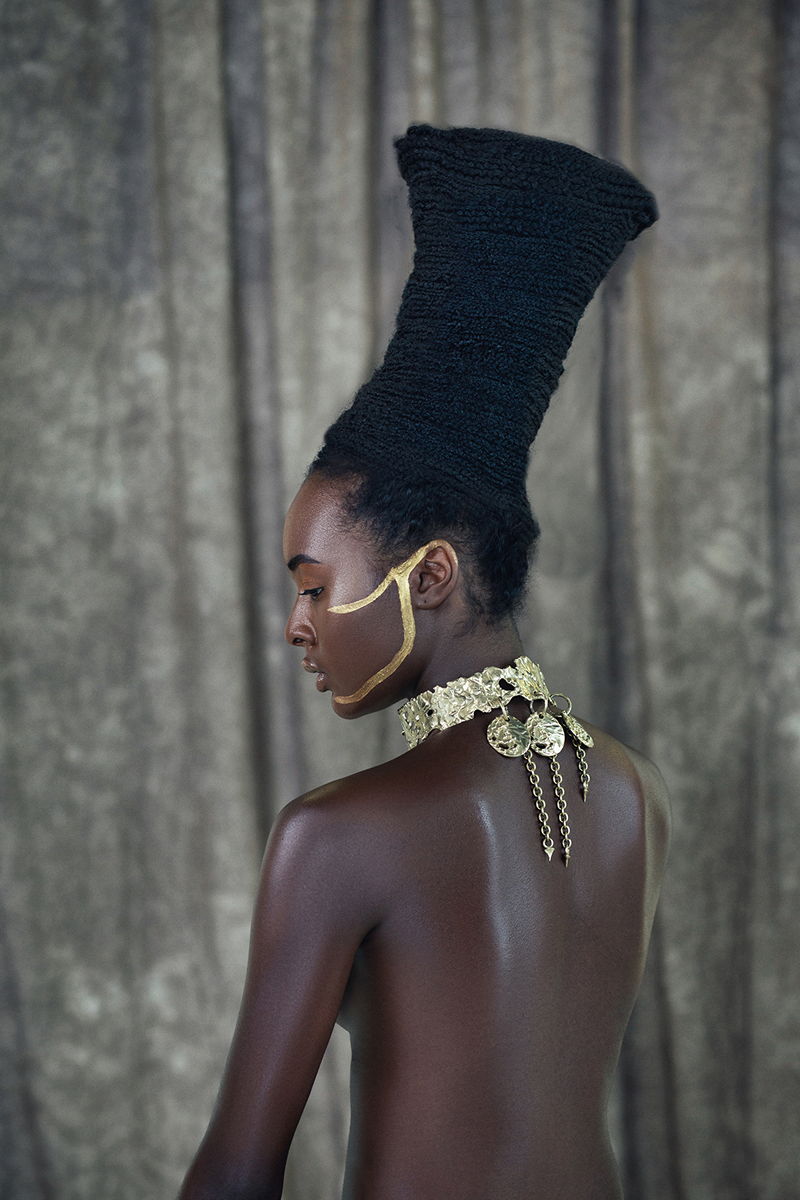
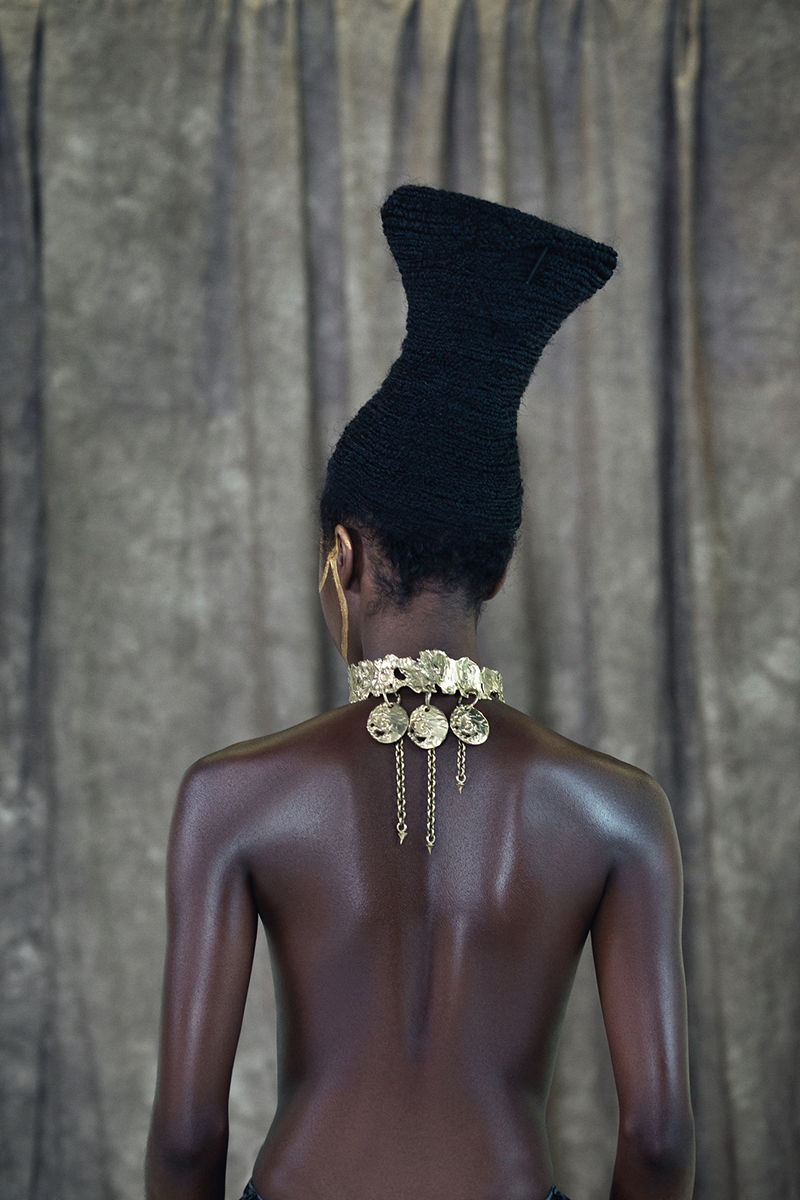
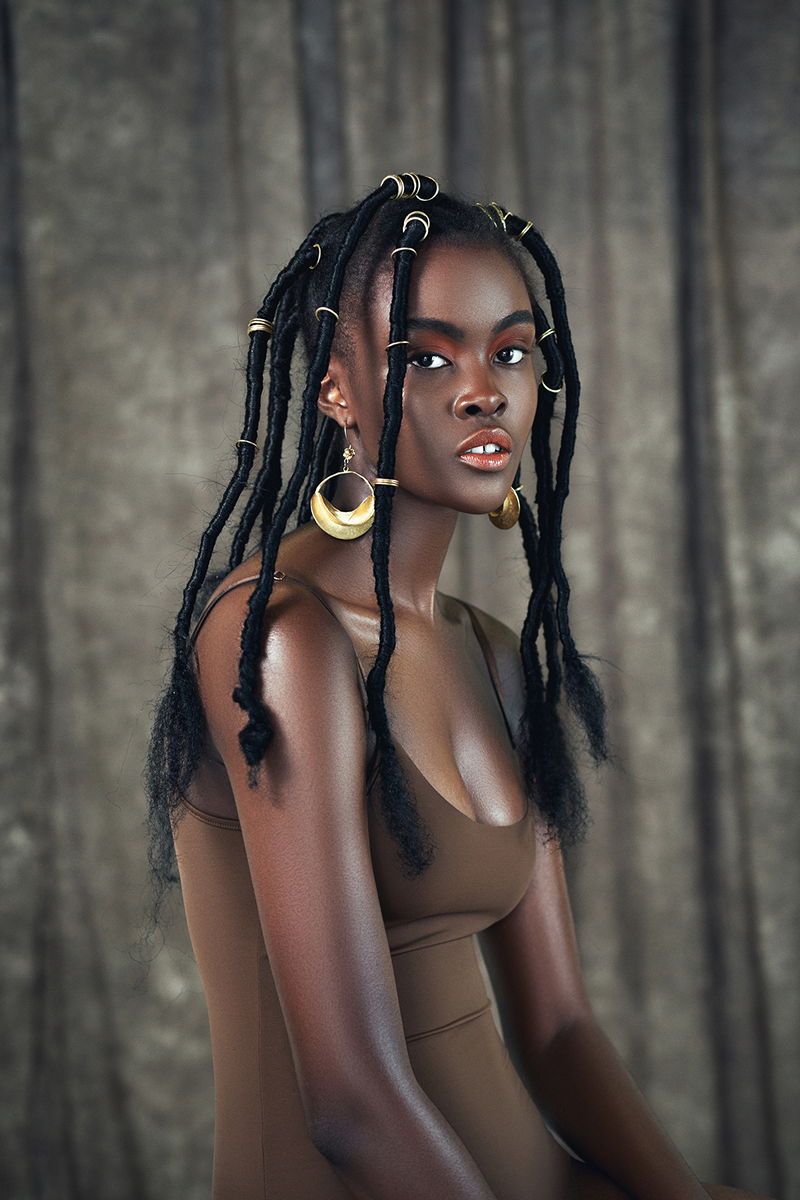
In the images I worked with a hairstylist Regina Messen to explore some of these old African hairstyles in a contemporary setting using portraiture. The images are a homage to womanhood and the hair culture of African societies.
We used inspirations of various tribes in Africa, from threading aesthetics of the Yoruba society in Nigeria, which was used by young girls in Nigerian communities.
The fan shaped styles were used in South Bomokandi in Congo and were worn by the wife of Zande rulers.
The hairstyles worn by the young women in the Amasunzu tribes in Rwanda signalled virginity and coming of age.
The cone shaped hair styles were worn by Mangbetu tribes in Congo. Cone shapes were used to tighten and elongate the heads from baby years till the heads became shaped like cones to fit the hairstyle. These were seen as aesthetically beautiful.
The Fulani styles were used to denote a variety of status for a woman, the difference being in the crest which signified anything from age to marital status.
Team credits
- Photography: asiko @asiko_artist
- Hair: Regina Messen @reginameessen
- Fashion styling: Basma Khalifa @basmakhalifa
- Makeup: Keisha DesVignes @keishadesvignes
- All jewellery from Pebble London @pebblelondon
- Except jewellery on Zande style (semi circle fan style) Lucky Little Blighters @luckylittleblighters
Models
- Alisha Safo @liiissha (Amasunzu and Fulani looks)
- Davinya Cooper @davvycooper (Wodaabe and Zande looks)
- Ngozi Anene @ngozi_anene from Wari Lace (Yoruba looks)